Domestic Violence: Currents Trends & Update
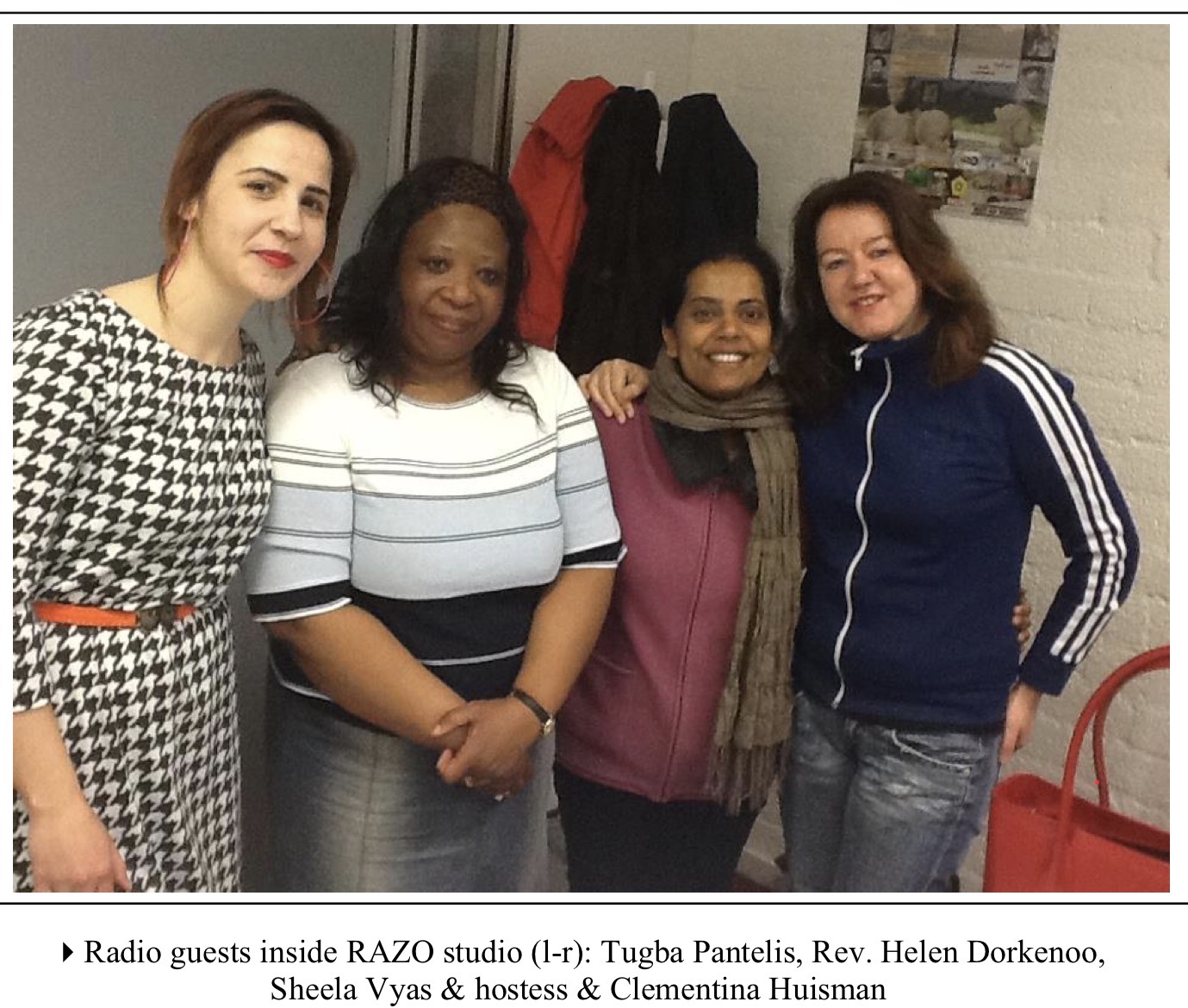
Activity Summary Goal. The objective of this 60-minute radio show was to evaluate the results and impact of previous and currently on-going campaigns against domestic violence. In this radio programme the focus was on assessing the impact and effectiveness of campaigns within the migrant community of Southeast. It was also to review trends locally and nationally in order to get a picture of where things are going. Furthermore, it was to renew the appeal for tolerance and self-restraint.
Interview Summary
The discussion started with a warm-up question on the definition of ‘domestic
violence’. Ms. Pantelis said domestic violence (dv) consisted of a pattern of abusive
behaviour often in a relationship setting. It includes acts such as kicking, hitting,
verbal abuse, intimidation and control. For example, monitoring a person’s phone
calls is a type of control a perpetrator can exert on a victim.
Intervention. The purpose of intervention whenever domestic abuse is involved is not
separate or divorce the parties in question; it is simply to try to stop the violence.
Statistics. On the question of available figures on domestic violence, Ms. Sheela said
that these were hard to come by, although the police is in possession of dv reports.
Reducing Domestic Violence in the Migrant Community - Spreading Awareness via Media and
Grassroot Efforts2012 Domestic Violence Project Report
But, on average one in five persons has experienced domestic violence. Over the long
term awareness creation efforts are bearing fruit, she said, while the stakeholders and
partners are collaborating more.
5
Domestic violence refers not only to the physical violence, but is also linked to
alcohol, drugs and financial abuse.
New approaches. Ms. Clementina hinted about a new approach to dealing with
domestic violence victims and perpetrators. This approach takes the individuality of
the client into consideration, focusing their strengths and not weaknesses, giving
priority to the relationship with the clients and their safety.
Calls. A caller posed the question as to whether it was possible to get helped without
involving the police since some migrants were comfortable coming into contact with
the police. For that reason alone some may not even report cases of abuse at all. In
answer to that, Ms. Sheela said that it was possible to make a report anonymously.
Some parents for fear of losing their children to the child protection authorities do not
report abuse cases. She reiterated that help has been made available for both victim
and perpetrator so as to bring an end to the violence.
Another question was whether the radio programme and domestic violence subject
were specifically targeted at the migrant community. In response, Ms. Sheela said that
domestic violence happens with all races and ethnicities.