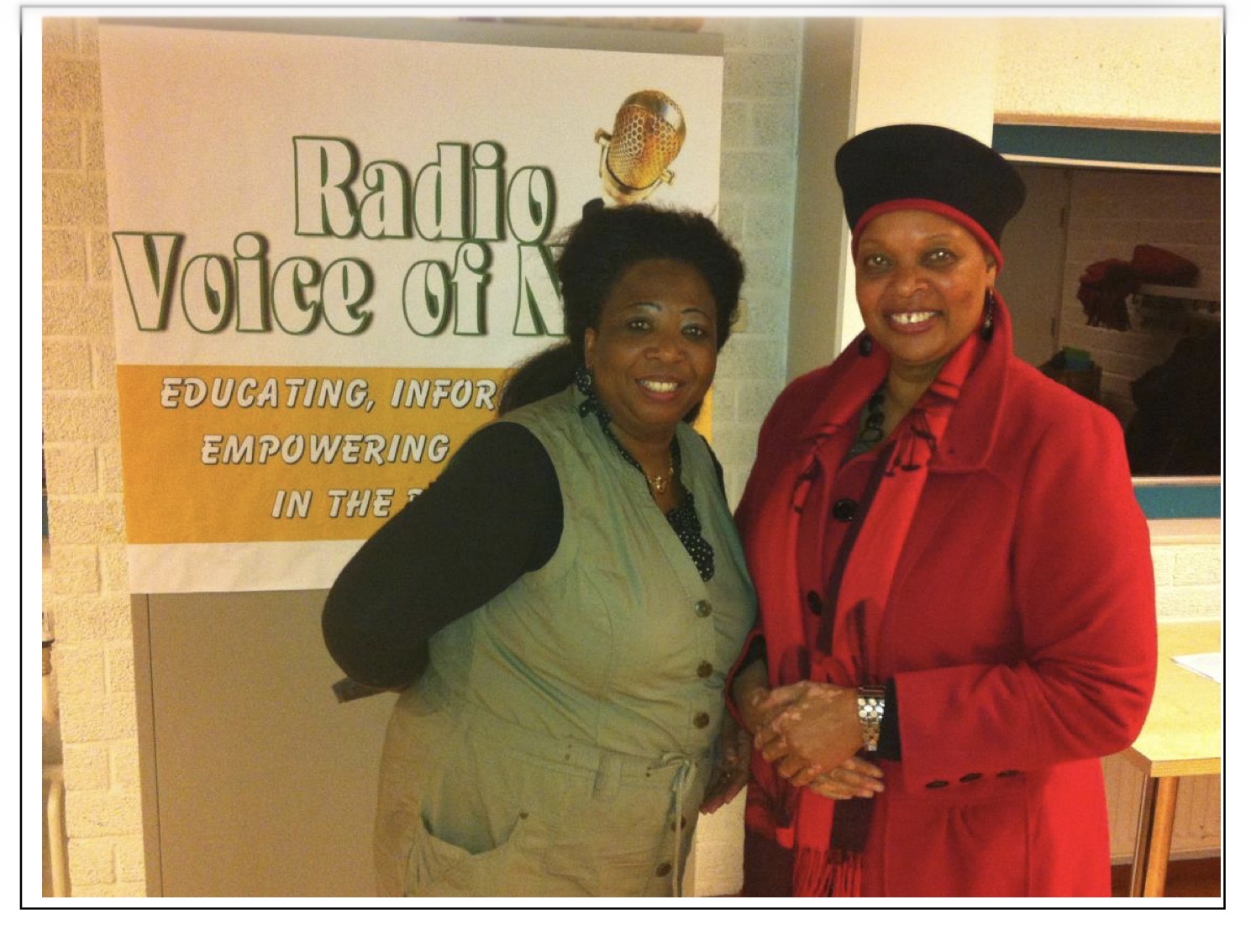
Essential Communication Skills for Domestic Harmony (Information Session)
Activity Summary Goal: The aim of this workshop was to discuss and to teach in a small group setting how to manage conflicts in a relationship, at home or within a community based on principles of domestic harmony. A home devoid of violence and abuse is an ideal wish, but this does not happen by itself. There are skills everyone can learn in order to handle domestic conflicts better.
Event 3: Information Session
Topic: Essential Communication Skills for Domestic Harmony
Guest: Ms. Vivian Lion Sijn-Tjoe, Domestic Harmony Expert
She is also a lecturer and trainer.
Date: Saturday, 24th November 2012
Time: 18.00 hrs – 21.00hrs
Venue: Bonte Kraai Buurthuis, Kraaiennest 68,
[by Kraaiennest Winkelcentrum], 1104 CD Amsterdam Southeast
Activity Summary
Goal:
The aim of this workshop was to discuss and to teach in a small group setting how to
manage conflicts in a relationship, at home or within a community based on principles
of domestic harmony.
A home devoid of violence and abuse is an ideal wish, but this does not happen by
itself. There are skills everyone can learn in order to handle domestic conflicts better.
Workshop Highlights
The workshop was opened by Rev. Larry Dorkenoo who welcomed the participants.
In his brief introduction he spoke about how the pressure and the stress of our modern
living is contributing to domestic conflicts and disharmony in our homes and
communities. He then gave the floor to the guest speaker, Ms. Vivian Lion Sijn-Tjoe
who is a domestic harmony expert based in Amsterdam.
It was a practical and interactive session all the way with tips and hints about handling
specific conflict situations.
According to Ms. Sijn-Tjoe, their domestic harmony sessions aim to help people and
families discover perspective and connection with positive forces within themselves
and the environment, further helping to improve mutual relations and partnerships.
They also stress the importance of the indispensability of the role of men in raising
their sons and daughters.
Methodology
Ms. Sijn-Tjoe gave a little overview of the methodology they use for domestic
harmony sessions. In this process they try to ensure group cohesion, confidentiality
and safety of clients’ personal matters. Some attention is given to spirituality and the
individuality of persons; regardless of their ideas or opinion.
They also use systems theory (i.e. of relationships) and also communication theory
(i.e. of how a person’s upbringing affects his behaviour and lifestyle, especially with
respect to non-verbal communications). Then there are skills for peaceful
communication and they teach clients how to take quality time for each other
(especially with married couples).
The way they do this is by sharing experiences and creating or using playful objects
or forms – for instance, playing with a balloon, telling stories, using ‘soul-food’
-, and
by creating sweet atmosphere with candles and flowers.
There are three staff on the domestic harmony team and quite often, they also provide
follow-up sessions for clients to see how well they are faring.
Key Discussion Points
The following issues stuck out:
Negative Statements. Making direct negative statements to your partner like “You
ruined my day” does quite easily trigger a hostile response or reaction. Instead, one
could say something like, “Why did you not call me and I had to wait for so long?”.
Conflicts. Conflicts are not problems in themselves, but the way in which they are
handled. The may be indicators of other underlying issues. It is good to observe and
speak what you see and not say what you think (which is an assumption). For
instance, what one may assume to know the reason why someone failed to make an
appointment. That assumption may, in fact not be the truth. But, that lack of
information could work up one’s emotions so bad, especially when something else
had gone wrong due to the failed appointment.
Question. A point was made about how the older generation appeared to have fared
better than the modern ones in dealing with domestic conflicts and harmony.
Then came the question: How did the older generation (grandfathers and mothers)
manage to stay all the way in their relationships? Nowadays, we have become very
sensitive to what other people speak and do leading to unexpected conflicts. Why is
this so?
Answer: Grandpa/grandma said what they thought or had to say and you had to obey
and did not have much say. This situation is changed now since we live in a more
mixed and freer society than before. When one is in harmony and at peace with
him/herself he/she is not easily provoked or angered. It is important that one finds that
peace within.
Communication Problems. This often is a result of incorrectly receiving what the
other party is saying. When also there are distractions or distortions like anxiety or
stress, what someone actually is saying can be misunderstood and this may
consequently lead to disharmony.
Conclusion. The workshop was successful although attendance was much lower than
expected due to last-minute cancellations and absences due to the rainy and stormy
weather that evening. Instead of canceling the event we thought better to go ahead. In
total there were seven (7) participants instead of the expected twenty (20).
A full playback of the workshop is available online at:
http://radiovoiceofnaija.org/?page_id=1375
Acknowledgements
We would like to express our profound appreciation to the Stadsdeel Amsterdam
Southeast district council, the Loket Zorg en Welzijn. In particular we would like to
thank our contact person Ms. Saskia van Rumt for facilitating the execution of this
project.
We would also like to thank radio guests Ms Sheela Vyas, Trainer, Life-coach,
president, Lotus & Tulip, Tugba Pantelis, Network Coordinator, Blijfgroep,
Amsterdam ZO, Clementina Huisman, Network Coordinator, Blijfgroep, Amsterdam
ZO and the volunteers who carried out the role: Joachim Okhai (husband), Vicky
Mbah (wife), Patience Ukazu (child), Angela Eckhardt (neighbour) and Godwin Eke
(police officer).
Finally, we want to thank all our listeners of Radio Razo and participants in our
community information sessions.